Written by: Kyle Younger, Ed.D.
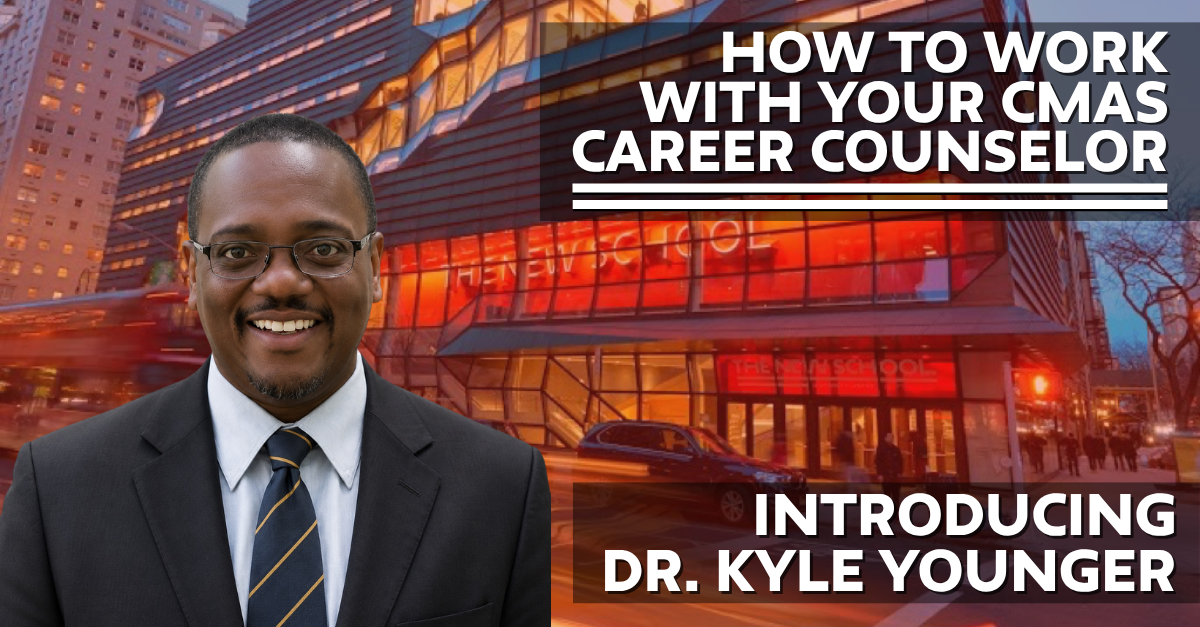
The most common misconception about career counseling is that you should make an appointment when you need a resume or when graduation is approaching, and you need a job.
But career development is a process. It involves understanding who you are, including your skills, interests, and values; exploring possibilities through relationships, experiences, and opportunities; making informed decisions by reflecting on what you learn, taking action, and adjusting your direction along the way.
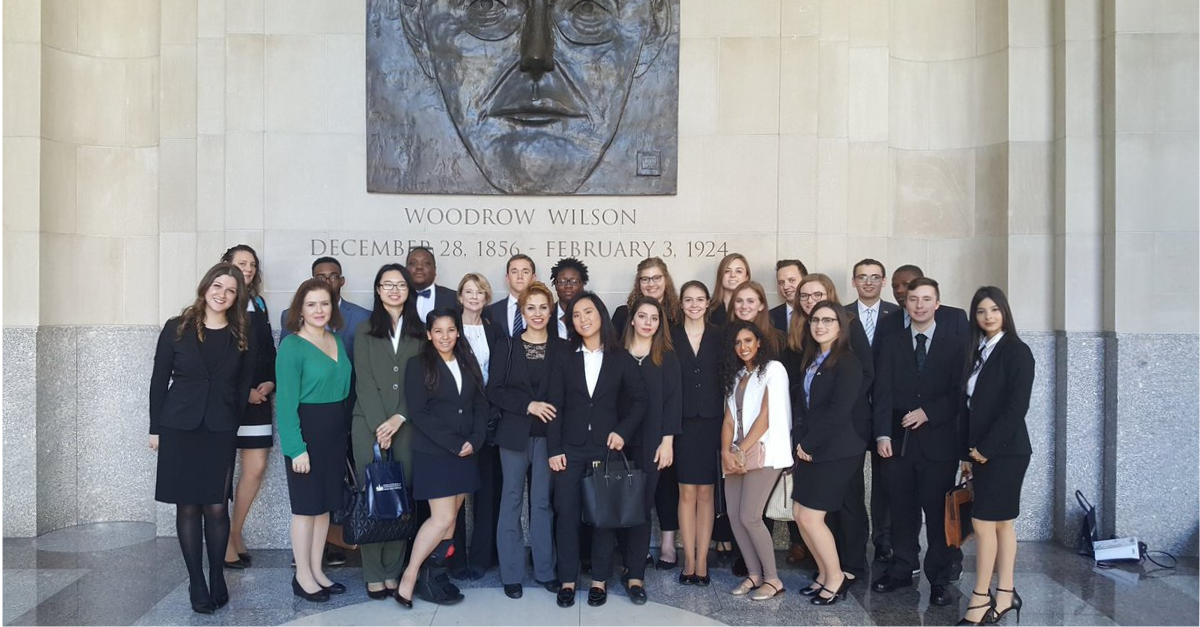
For military-affiliated students, that process may include translating military experience into civilian language. You may be balancing school with work, family, military obligations or transitioning out of the military. You may know what you want to do, or you may be trying to figure out what comes next.
You do not have to have it all figured out before you meet with me. Figuring things out is part of the work we can do together. You do not need to come to an appointment with a polished resume, a five-year plan, or a specific career goal. But you need to come with questions and to be prepared for a conversation.
Tell me what you’re thinking about. Tell me what excites you or what you are uncertain about. Tell me about your military affiliation, your classes, interests, previous jobs, the internship experience that caught your eye, or the career someone mentioned that you may have never considered.
From there, we can develop a plan, such as working on a resume or LinkedIn profile. But it could also mean exploring career options, identifying transferable skills, preparing for an interview, considering graduate school, preparing for a fellowship or simply figuring out the next step.
And then I want you to come back.
The best career counseling relationships I have had with students developed over several years.
A few years ago at a previous employer, I worked with an International Relations student beginning her freshman year.
We did not wait until senior year to begin thinking about her future.
Over the course of her undergraduate experience, I had the privilege of coaching her through several great opportunities. She earned a Critical Language Scholarship that took her to Morocco. She became the first woman at Seton Hall University to earn a Truman Scholarship. She completed an internship with the United Nations World Food Programme and later became a finalist for the Rhodes Scholarships. By the time she graduated, she had secured multiple job offers and earned admittance to Oxford University.
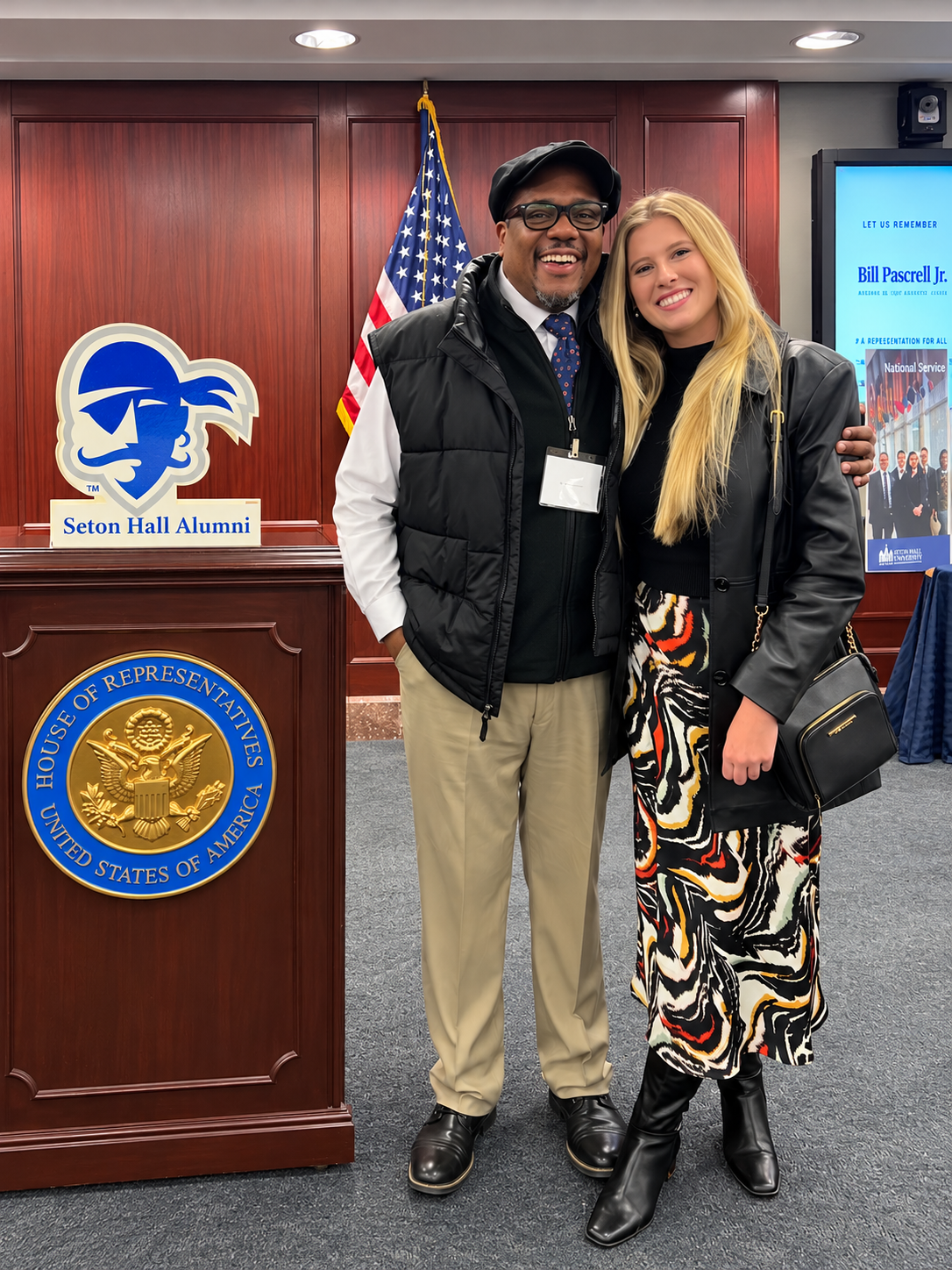
But hiding behind that success was four years worth of time and energy; exploring possibilities, recognizing opportunities, preparing applications, articulating her experiences, learning from successes and disappointments, and continually asking, “What’s next?”
At Hackensack Meridian School of Medicine, I worked with medical students who were required to meet with me at least four times a year. This allowed me to help those students navigate the highly complex transition from medical school into residency, resulting in a 90% residency match rate. At Caldwell University, I partnered with faculty to integrate career readiness directly into the curriculum, because students should not wait until they enter a career center to begin connecting their learning to their future.
Now I bring those experiences to CMAS. So, my first pieces of career advice are:
Start before you think you need my help. You don’t need to be searching for a job to have a career conversation.
Bring your whole story and not just your resume. Your military affiliation, interests, employment, education, accomplishments, uncertainties and goals can all be relevant to understanding where you want to go.
Be willing to explore. Sometimes career counseling confirms what you already know. Sometimes it introduces possibilities you had never considered.
Expect some homework. We may identify people for you to contact, employers to research, materials to revise, or questions to think about before we meet again.
Come back. You don’t have to solve your career in one appointment. I would rather get to know you over time, than meet you for the first time three weeks before graduation.
No matter what stage you are in your career development, there is a place for you in career counseling. My role is not to tell you what you should do with your life. My role is to help you ask better questions, recognize your strengths, explore possibilities, connect your experiences to opportunities, and develop the skills and confidence to make informed career decisions.
Start early, stop by, make an appointment, introduce yourself, and let’s work together.